Etsy Home Decor Product Photography Tips & Fixes
Etsy buyers are browsing hundreds of listings at once, and your thumbnail is doing almost all the heavy lifting. For home decor specifically, this is both an advantage and a trap. The advantage: home decor photographs beautifully when done right, and a strong lifestyle image can stop a scroll dead. The trap: too many sellers lean so hard into 'styled' shots that the actual product gets lost. Someone shopping for a ceramic vase or a macramé wall hanging needs to understand scale, color accuracy, texture, and how it might actually look in their own home — all from a handful of JPEGs.
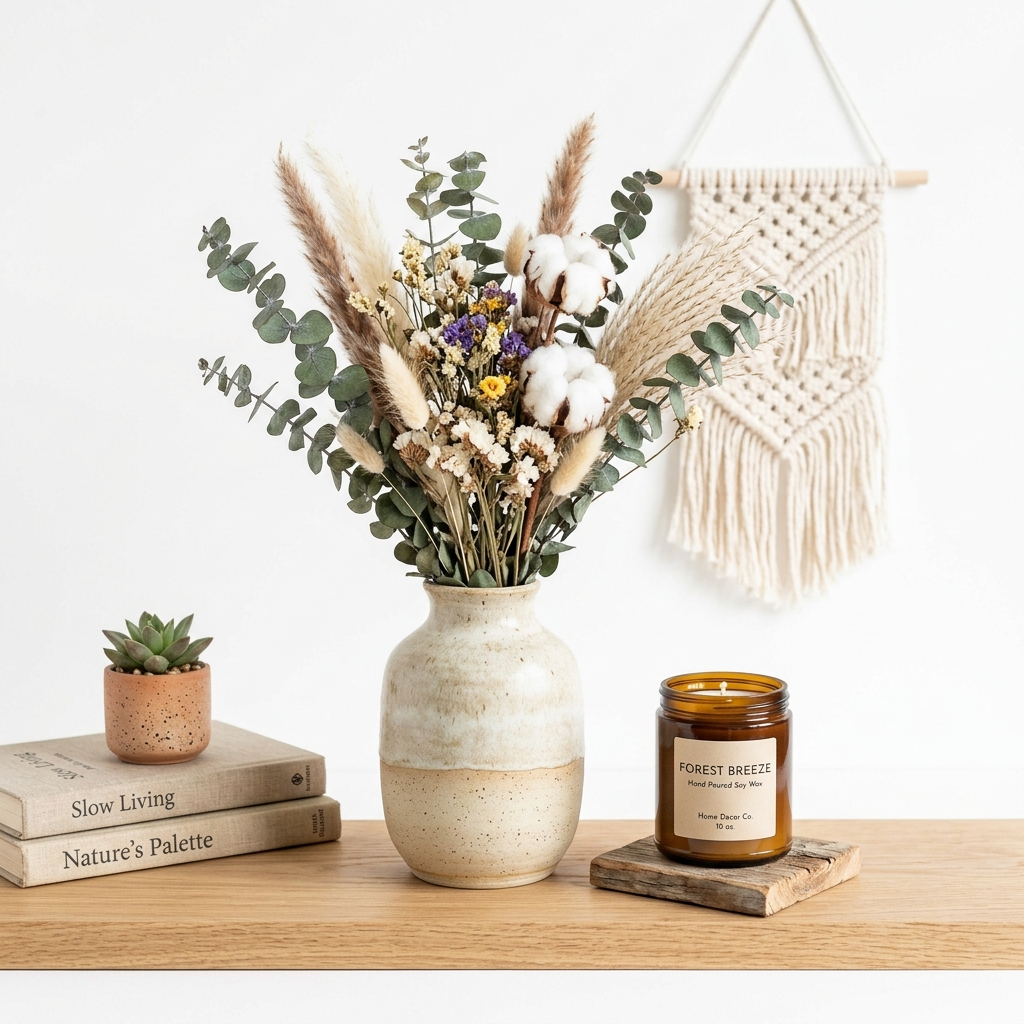
Etsy's algorithm rewards listings with high click-through rates, which means your first image needs to earn that click. But Etsy shoppers are also highly detail-oriented. They zoom in. They read. They compare. So your image set needs to work on two levels: aspirational enough to earn the click, informative enough to close the sale and prevent returns.
Home decor also covers an enormous range of products — textiles, ceramics, candles, wall art, furniture, plants, clocks, mirrors. Each has its own photographic quirks. Reflective surfaces, fabric drape, fragile handmade edges, size ambiguity — these are real problems that stock-photo-style shooting simply doesn't solve. The advice here is built around what actually works in active Etsy shops, not what looks good in a photography tutorial.
Example Images
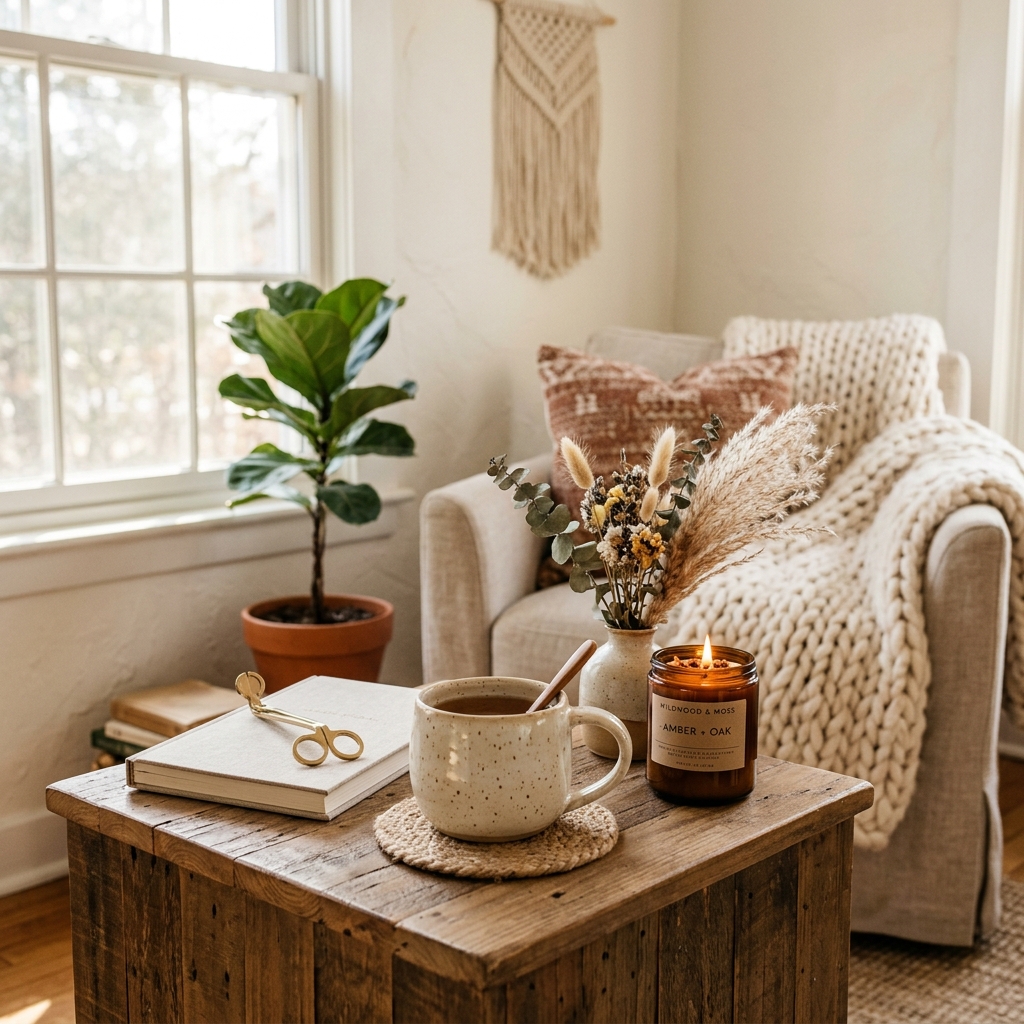
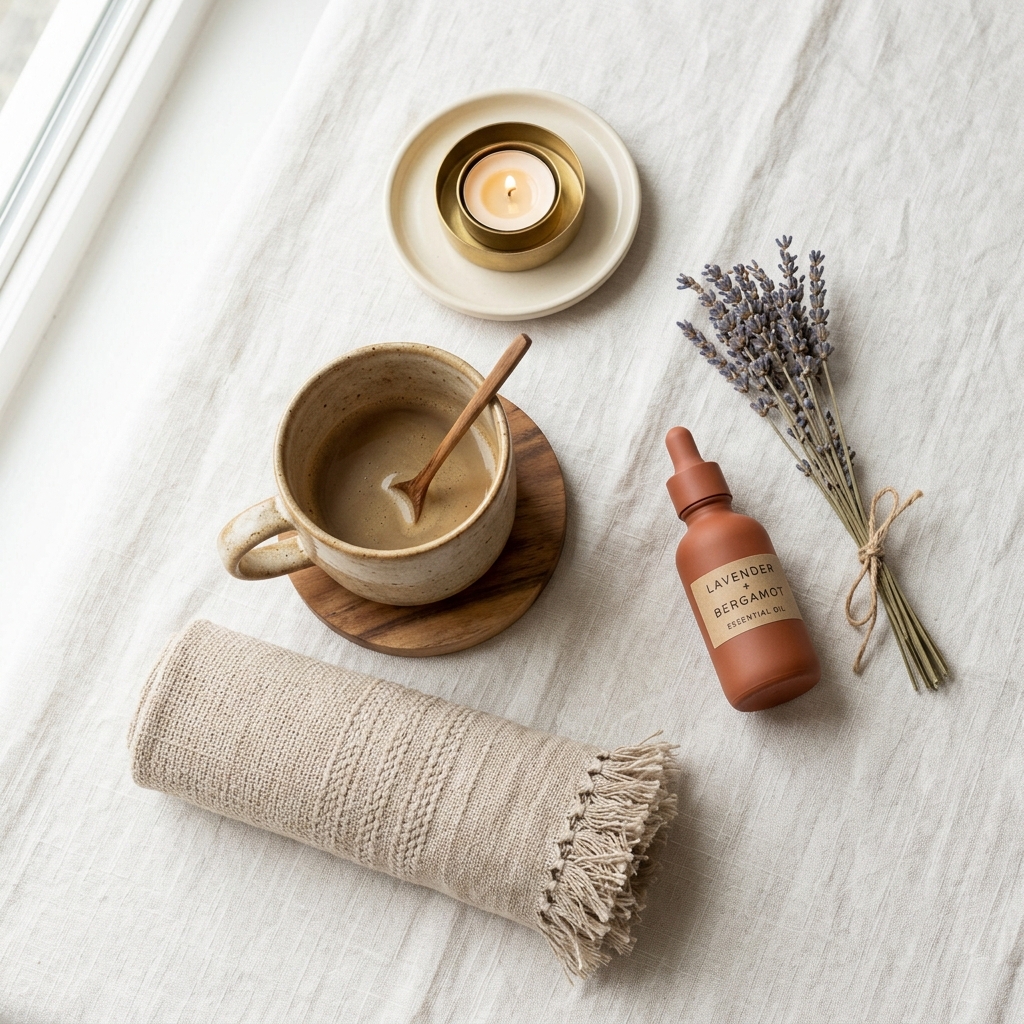
Common Mistakes
Using only styled lifestyle shots with no size reference
A beautifully styled flat lay of a throw pillow on a linen couch tells a buyer almost nothing about how big that pillow actually is. Etsy shoppers are deeply skeptical of receiving something smaller or larger than expected, and if they can't figure out the size from your photos, many will simply move on rather than dig through your description.
Include at least one image that shows the product next to a recognizable object — a hand, a standard doorframe, a common piece of furniture. Even better, add a clean graphic overlay showing dimensions directly on the photo. This doesn't have to look clinical; you can keep it stylish with a clean font and subtle placement.
Ignoring color accuracy in favor of moody editing
Warm presets and heavy shadows look gorgeous in your feed, but they consistently cause color mismatch complaints and returns. A buyer who orders a 'sage green' ceramic bowl and receives something that looks khaki in daylight is not going to be happy — and that's a review problem, not just a returns problem.
Shoot in consistent natural light or with a daylight-balanced bulb setup, and calibrate your editing so the product color on screen matches the physical product under normal indoor lighting. Always include at least one image shot in neutral, true-to-life lighting even if your hero shot uses moodier editing. Mention in the listing if there's any variation between screen and real-life color.
Photographing textiles flat when they need to be shown with volume and texture
Blankets, cushions, fabric wall hangings, and tapestries look dead and uninviting when laid completely flat on a table. Buyers can't assess drape, softness, or texture from a stiff flat lay, so they underestimate the product's quality and appeal.
Scrunch, fold, or hang textiles naturally. Show a blanket tossed loosely over a chair arm, or a cushion slightly squished as if someone just stood up. For wall hangings, photograph them mounted and lit with a slight angle to show texture depth. A macro or close-up shot that isolates the weave or fabric surface is one of the most effective images you can add to a textile listing.
Frequently Asked Questions
What happens if you using only styled lifestyle shots with no size reference?
A beautifully styled flat lay of a throw pillow on a linen couch tells a buyer almost nothing about how big that pillow actually is. Etsy shoppers are deeply skeptical of receiving something smaller or larger than expected, and if they can't figure out the size from your photos, many will simply move on rather than dig through your description. Include at least one image that shows the product next to a recognizable object — a hand, a standard doorframe, a common piece of furniture. Even better, add a clean graphic overlay showing dimensions directly on the photo. This doesn't have to look clinical; you can keep it stylish with a clean font and subtle placement.
What happens if you ignoring color accuracy in favor of moody editing?
Warm presets and heavy shadows look gorgeous in your feed, but they consistently cause color mismatch complaints and returns. A buyer who orders a 'sage green' ceramic bowl and receives something that looks khaki in daylight is not going to be happy — and that's a review problem, not just a returns problem. Shoot in consistent natural light or with a daylight-balanced bulb setup, and calibrate your editing so the product color on screen matches the physical product under normal indoor lighting. Always include at least one image shot in neutral, true-to-life lighting even if your hero shot uses moodier editing. Mention in the listing if there's any variation between screen and real-life color.
What happens if you photographing textiles flat when they need to be shown with volume and texture?
Blankets, cushions, fabric wall hangings, and tapestries look dead and uninviting when laid completely flat on a table. Buyers can't assess drape, softness, or texture from a stiff flat lay, so they underestimate the product's quality and appeal. Scrunch, fold, or hang textiles naturally. Show a blanket tossed loosely over a chair arm, or a cushion slightly squished as if someone just stood up. For wall hangings, photograph them mounted and lit with a slight angle to show texture depth. A macro or close-up shot that isolates the weave or fabric surface is one of the most effective images you can add to a textile listing.
Skip the trial and error
Get Etsy-ready Home Decor photos without the guesswork
Upload one product photo. ProductScene generates a complete Etsy gallery — every image slot, correctly sized, styled for the platform.
Try free