How to Take Pictures of Sports & Fitness Products for eBay
Sports and fitness gear is one of the harder categories to shoot well for eBay because the products are so mismatched in shape. A driver is long and thin, a kettlebell is a dense black blob, a treadmill won't fit through your studio door, and a pair of cleats has most of its selling information on the bottom. All of it has to work as a 1600 x 1600 square thumbnail that fills about 70% of the frame, with no added text, borders or watermarks.
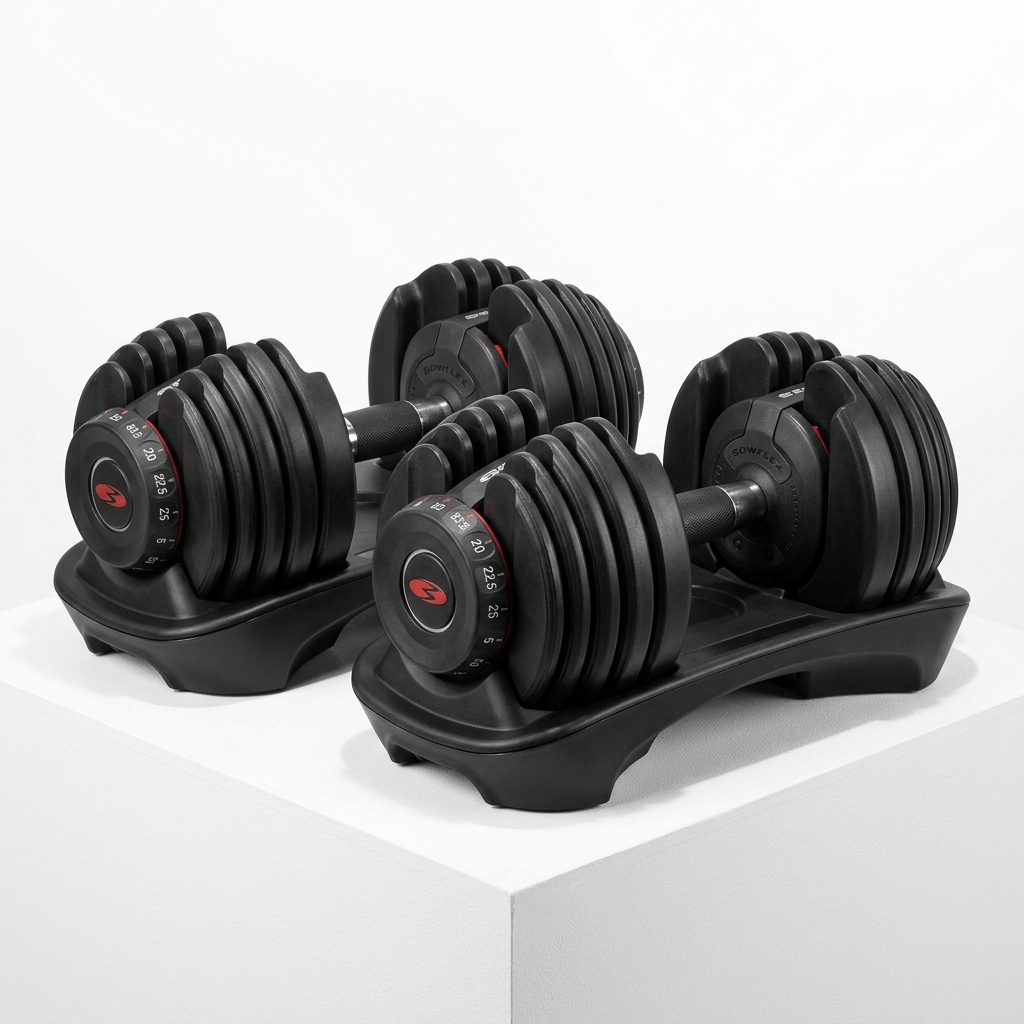
Most of what moves in this category on eBay is used, so buyers are shopping on condition. A golfer wants to see groove wear on a wedge face and the sole of the club, not a pretty hero angle. A runner wants the outsole tread. A lifter wants to know whether the coating on a dumbbell is chipped and whether the stamped weight is readable. A skier wants the base and edges. If your photos don't answer those questions, they will be asked in messages or, worse, in a return request.
For long items like clubs, rods, bats, skis and hockey sticks, run the item corner to corner across the frame. That gives you the most length in a square crop and keeps the whole item visible, which eBay expects in Photo 1. Then use the detail slots for the head, grip, shaft label or binding. For matte black rubber, neoprene and powder coat, light from the side and dial exposure compensation up a bit so the item doesn't turn into a silhouette against white. For big equipment, shoot against a plain wall in daylight, crop tight, and add a photo of the display console, belt or frame welds where wear shows up first.
Weight, size and flex specs sell this category, but you can't type them onto the image. Photograph the stamped plate weight, the shoe size tag, the shaft flex label, or lay a real tape measure along the item instead.
Example Images
Common Mistakes
Shooting long gear flat and horizontal in the main photo
A golf club, fishing rod or ski laid straight across a square frame becomes a thin line with empty space above and below. It fills far less than 70% of the thumbnail and looks tiny next to competing listings.
Position the item diagonally from corner to corner, keep the whole item in frame for Photo 1, and crop to 1600 x 1600. Save tight shots of the clubhead, reel, or binding for the detail slots.
Typing weights, sizes or specs onto the photo
Overlays like '25 LB', 'Size 10.5' or 'Stiff Flex' count as added text and violate eBay's picture policy, which can get the photo or listing removed.
Photograph the information where it physically exists: the cast or stamped weight on a dumbbell, the size tag inside the shoe tongue, the flex code on the shaft band. For dimensions, lay a real tape measure across the item in a size reference shot.
Skipping the wear points buyers actually check
Used sports gear is bought on condition. Missing photos of club faces and soles, shoe outsoles, ski bases and edges, racket grips and strings, or chipped weight coatings lead to 'not as described' cases when the buyer finds wear you didn't show.
Shoot each known wear zone with low, angled light so scuffs and scratches show. Point to specific flaws with a pen tip or fingertip in the shot rather than drawing arrows or circles, and make sure every flaw in your description has a matching photo.
Letting black rubber and matte gear go dark against white
Phones expose for the bright white background, so kettlebells, resistance bands, yoga mats and black shoes come out as featureless shapes with no visible texture, logos or condition detail.
Light from one side to bring out texture, raise exposure compensation a stop or so, and check the shot at full zoom. Correct exposure and white balance only; don't push contrast or saturation to fake detail.
Shooting in a cluttered home gym or garage
Racks, other equipment and gym mirrors confuse buyers about what is included. Gym signage or posters with web addresses or social handles break the off-eBay policy, and mirrors can catch people or other things you don't want in a listing.
Use a plain wall, sheet or sweep and move everything else out of frame. If a mirror is unavoidable, angle away from it and check the reflection before you list.
Using an in-use or styled shot as the main image
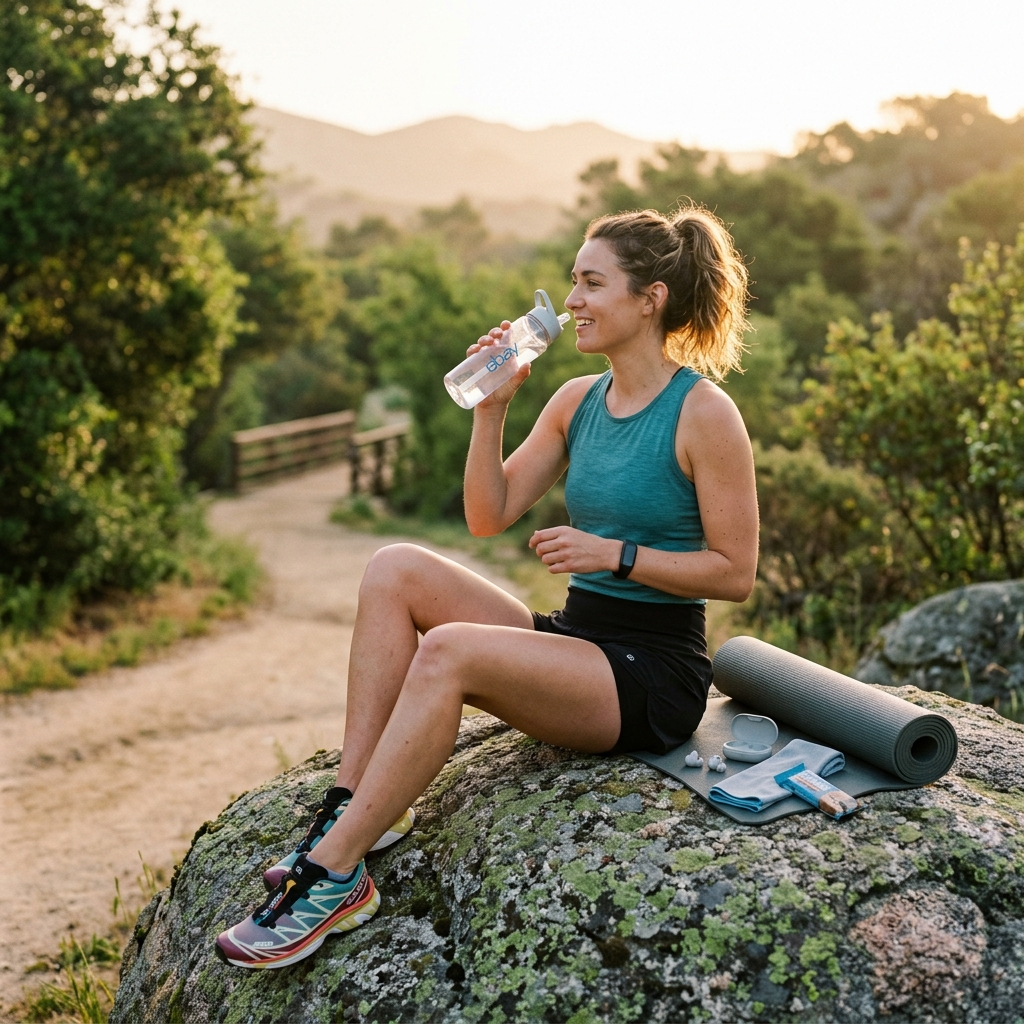
A dumbbell on a mat next to a water bottle, or a bike with a pump and lights attached, makes it unclear what ships. eBay says lifestyle shots should never be Photo 1, and buyers open cases for props they assumed were included.
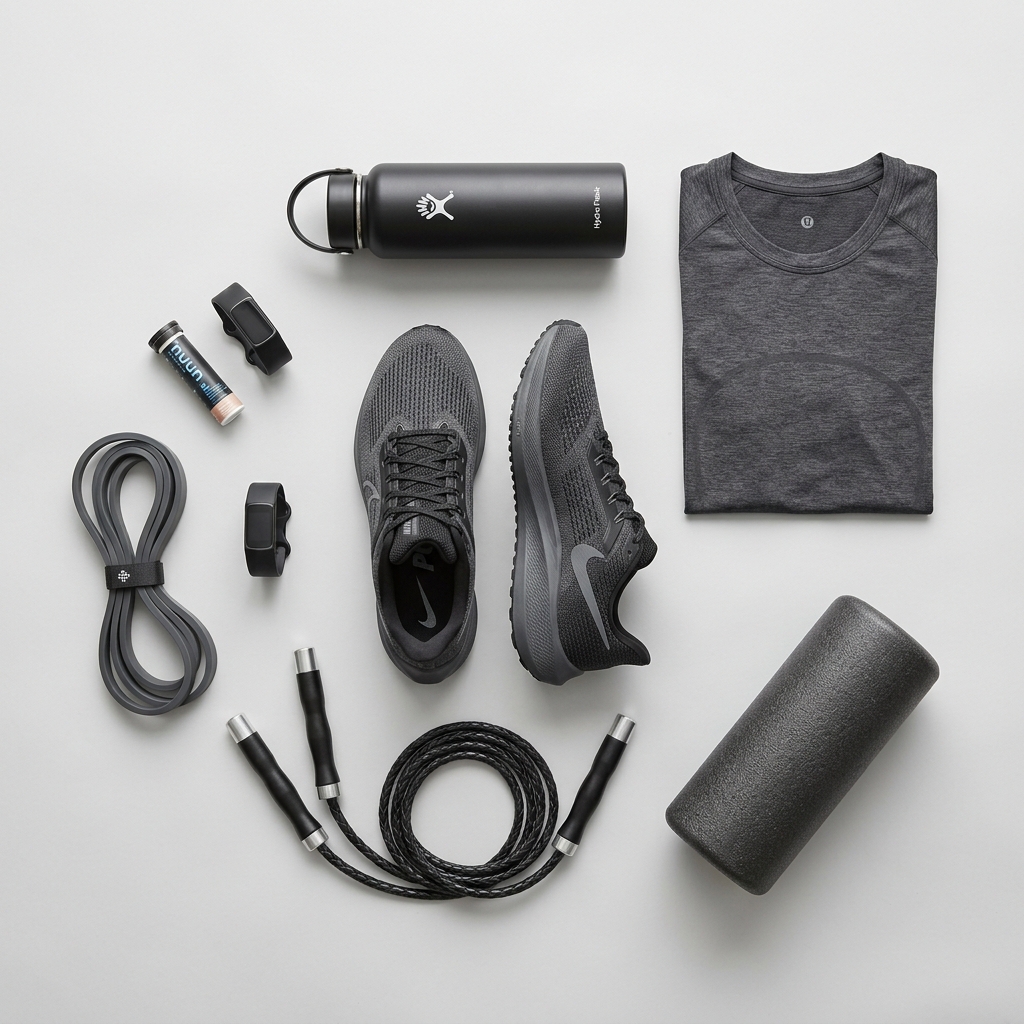
Lead with a clean, front-facing shot of only the item for sale. Put in-use shots later in the gallery and state in the description that props are not included. Use a separate flat-lay photo showing exactly what ships, such as pedals, keys, manuals or the safety clip.
Using stock or manufacturer photos for used equipment
Stock images are not allowed for used items, and brand-site photos can trigger VeRO takedowns. Buyers of used clubs and fitness trackers also worry about counterfeits, and a catalog image does nothing to reassure them.
Shoot the actual item, including authenticity markers like club head serial numbers, hosel markings and original labels. Keep model numbers readable, and partially cover full serials on high-value electronics if you're concerned about cloning.
Frequently Asked Questions
What happens if you shooting long gear flat and horizontal in the main photo?
A golf club, fishing rod or ski laid straight across a square frame becomes a thin line with empty space above and below. It fills far less than 70% of the thumbnail and looks tiny next to competing listings. Position the item diagonally from corner to corner, keep the whole item in frame for Photo 1, and crop to 1600 x 1600. Save tight shots of the clubhead, reel, or binding for the detail slots.
What happens if you typing weights, sizes or specs onto the photo?
Overlays like '25 LB', 'Size 10.5' or 'Stiff Flex' count as added text and violate eBay's picture policy, which can get the photo or listing removed. Photograph the information where it physically exists: the cast or stamped weight on a dumbbell, the size tag inside the shoe tongue, the flex code on the shaft band. For dimensions, lay a real tape measure across the item in a size reference shot.
What happens if you skipping the wear points buyers actually check?
Used sports gear is bought on condition. Missing photos of club faces and soles, shoe outsoles, ski bases and edges, racket grips and strings, or chipped weight coatings lead to 'not as described' cases when the buyer finds wear you didn't show. Shoot each known wear zone with low, angled light so scuffs and scratches show. Point to specific flaws with a pen tip or fingertip in the shot rather than drawing arrows or circles, and make sure every flaw in your description has a matching photo.
What happens if you letting black rubber and matte gear go dark against white?
Phones expose for the bright white background, so kettlebells, resistance bands, yoga mats and black shoes come out as featureless shapes with no visible texture, logos or condition detail. Light from one side to bring out texture, raise exposure compensation a stop or so, and check the shot at full zoom. Correct exposure and white balance only; don't push contrast or saturation to fake detail.
What happens if you shooting in a cluttered home gym or garage?
Racks, other equipment and gym mirrors confuse buyers about what is included. Gym signage or posters with web addresses or social handles break the off-eBay policy, and mirrors can catch people or other things you don't want in a listing. Use a plain wall, sheet or sweep and move everything else out of frame. If a mirror is unavoidable, angle away from it and check the reflection before you list.
What happens if you using an in-use or styled shot as the main image?
A dumbbell on a mat next to a water bottle, or a bike with a pump and lights attached, makes it unclear what ships. eBay says lifestyle shots should never be Photo 1, and buyers open cases for props they assumed were included. Lead with a clean, front-facing shot of only the item for sale. Put in-use shots later in the gallery and state in the description that props are not included. Use a separate flat-lay photo showing exactly what ships, such as pedals, keys, manuals or the safety clip.
What happens if you using stock or manufacturer photos for used equipment?
Stock images are not allowed for used items, and brand-site photos can trigger VeRO takedowns. Buyers of used clubs and fitness trackers also worry about counterfeits, and a catalog image does nothing to reassure them. Shoot the actual item, including authenticity markers like club head serial numbers, hosel markings and original labels. Keep model numbers readable, and partially cover full serials on high-value electronics if you're concerned about cloning.
Skip the trial and error
Get eBay-ready Sports & Fitness photos without the guesswork
Upload one product photo. ProductScene generates a complete eBay gallery — every image slot, correctly sized, styled for the platform.
Try free